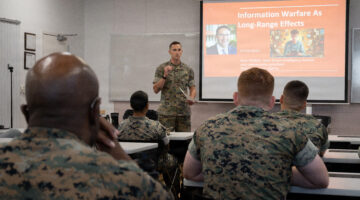
Winning the information war is as much about ideas and perception as it is about data
"Being able to tell the commander you don't need to do something is actually a pretty powerful message, as well."

"Being able to tell the commander you don't need to do something is actually a pretty powerful message, as well."

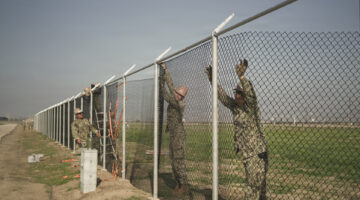
Traditional thinking about how to protect facilities must adapt to new threats such as drones or downstream attacks.

Fuel cell technology lets smaller, more versatile VTOLs handle tasks previously reserved for larger drones.
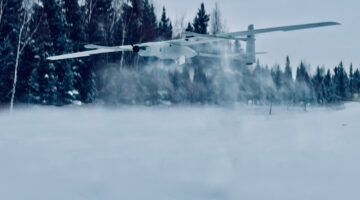
It’s fuel cells, not batteries, that let Group 2 unmanned VTOLS fulfill many missions of larger Group 3s.

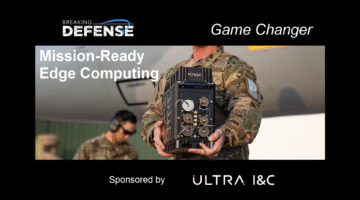
Avoiding vendor lock and providing more room for sensors and upgrades are critical considerations.
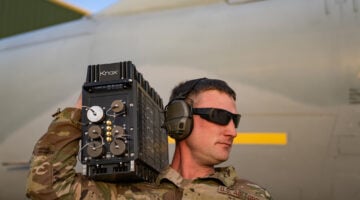
The payoff is quicker tech insertion, avoiding vendor lock, and more room for autonomy, sensors, weapons, and mission growth.

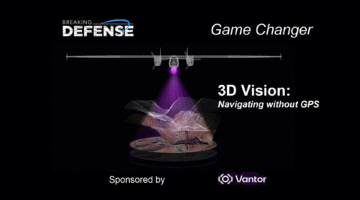
Absolute positioning is critical in contested and denied environments.
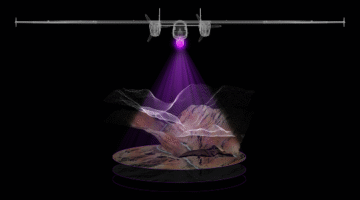
As “dirty” RF and contested environments proliferate, autonomy increasingly depends on resilient positioning.

As threats rapidly evolve, digital engineering, manufacturing capacity and robust supply chains are critical to meeting challenges.
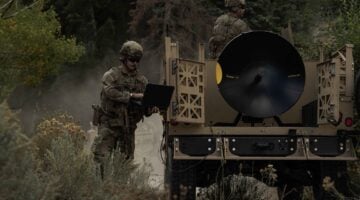
Enabling next-generation command and control with the same radio waveforms that were designed a decade-or-longer ago is a non-starter.
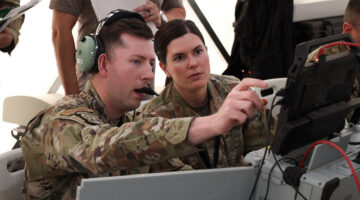
As threats evolve, the winning model ties digital engineering to manufacturing capacity and a reindustrialized supply chain.

Modeling and simulation get an AI upgrade for more realistic training and improved autonomous platforms.


Hybrid communications requirements will shape the Army’s data infrastructure of the future.

Ability to reconfigure avionics on the fly allows for faster, better development of crucial capabilities.